



















 Call Us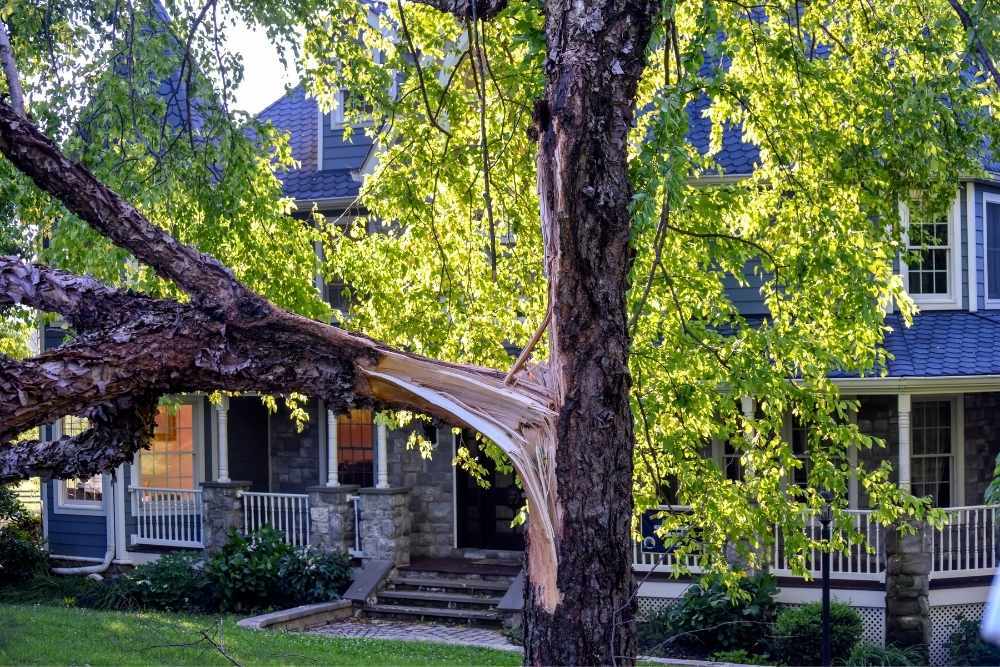
No matter where your home is—near the woods, in a city, next to the ocean, or in Tornado Alley—weather will have an impact. Extreme weather threatens nearly half of all homes in the U.S. This can be scary, and it is important to feel safe in your home! We will explore how storms impact your home over time, what parts of the home are most vulnerable to storms, and what upgrades can help make your home more resilient when weather turns extreme.
Key Takeaways
- Extreme weather can damage a house suddenly during a storm or gradually through repeated exposure to wind, water, heat, freezing temperatures, and moisture.
- Windows, doors, siding, roofing, and gutters are among the parts of a house most vulnerable to severe weather.
- Older homes may face greater risk because building materials weaken over time and may not meet newer standards for wind, water, and energy performance.
- Proactive improvements—such as durable siding, storm-ready windows and doors, and high-performing gutter systems—can help strengthen your home before severe weather arrives.
- Warning signs like drafts, cracked siding, missing shingles, sagging gutters, or moisture problems can signal that it’s time to consider an upgrade.
- Planning improvements before storm damage occurs can give you more control over your options, budget, and long-term protection.
- Choose a home improvement company with proven experience, specialized expertise, clear warranties, and a transparent process you can feel confident in.
How Does Extreme Weather Impact Your Home Over Time?
The effects of sudden storms and regular weather patterns can impact your home, sometimes dramatically or sometimes slowly over time.
Slow Deterioration vs. Sudden Storm Damage
Regular weather patterns can slowly deteriorate the home through constant cycles of expansion and contraction, freezing and thawing, and moisture build up.
Expansion and Contraction: Materials used in homes (wood, vinyl, and metal) naturally expand in heat and contract in cold temperatures. This constant, often yearly, cycle can cause joints to loosen, nails to fall out, and caulking to crack. Water and air can then easily get into the spaces and cause damage.
Freezing and Thawing: Water will seep into cracks in stone, wood, or concrete. Then, when the temperature drops, this water freezes. As it freezes, it expands, wedging cracks open and letting in more water when the next thaw comes.
Moisture and Rot: General rain, humidity, and melting snow also introduce water to your surfaces. It can get trapped, leading to mold growth and rot at the foundation and siding of your home.
Sudden storm damage, however, causes initial problems that have a lasting impact on the home.
Water damage can come from heavy thunderstorms, flooding, tropical storms, or hurricanes. Hail can form suddenly in severe thunderstorms, or tornados. Ice and snow damage can increase with snowstorms. Wind from tornados, hurricanes, or severe thunderstorms can cause damage to the home. Later, we’ll dive into how each of these types of storm damage affects parts of the home.
Why Older Homes Face a Greater Risk in Extreme Weather
There are a number of factors that make older homes more at risk in extreme weather, compared to newer homes. Some homes were built prior to specific building standards. Wind-resistance and flood mitigation engineering codes have grown to include features that secure the roof and foundation during high winds or water.
In general, however, materials just naturally weaken over time. Foundations eventually let in water, weaking them through rot and mold. Heat over time speeds up the aging of roof shingles, making them more suspectable to cracking or loosening. Old ventilation and insulation tend to trap heat indoors in warm weather, and freezing air to infiltrate during cold weather.
What Parts of Your Home Are Most Vulnerable to Extreme Weather?
Regardless of the age of your home, there are parts of it that are more vulnerable in extreme weather. These features tend to bear the various types of damage we looked at earlier.
Siding and Exterior Walls
High winds, freezing ice and melting snow, and tornados target the exterior walls or siding of a home. Siding can be ripped off and blown away in extreme winds. Snow and ice can make their way into masonry and freeze, then melt, causing cracks to expand, making walls more susceptible to water damage.
Windows and Doors
Doors and windows are easy targets for wind and hail damage. Powerful winds can knock debris into your doors or windows, breaking them. Hail can shatter windows and sliding glass doors.
Roofs and Gutters
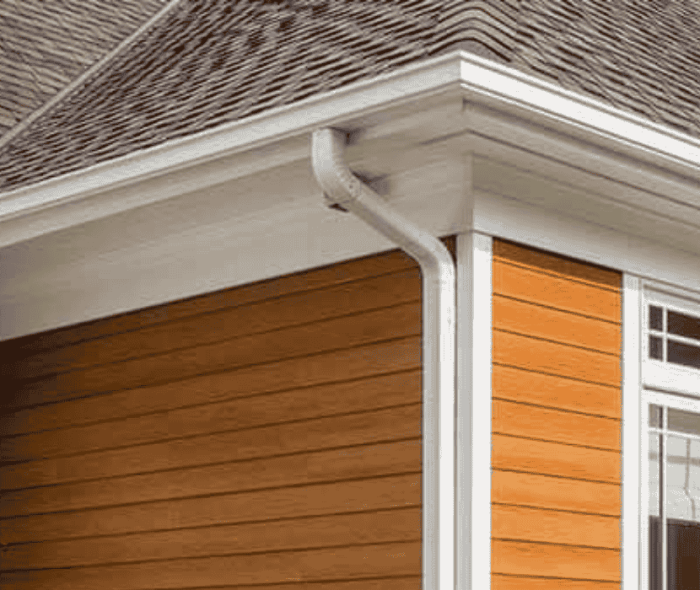
Roofs and gutters work to guard the home against wind and water. Bad products or poorly installed products can prevent them from doing their job well, resulting in wind or water damage. Gutters can become cracked by hail or wind, or overflow from water and can sag, clog, or rust. Roof shingles can also be cracked or ripped off in severe storms.
Don’t wait for the next big storm. Contact our team today and find out where you need to upgrade so you can be ready for harsh and extreme weather.
What Home Remodeling Projects Improve Storm Resilience?
Strengthening those most vulnerable parts of the home can build up your home’s resilience to storms.
Storm-Ready Window Upgrades That Block Wind, Water, and Energy Loss
Storm-ready windows are impact resistant, engineered specifically to withstand extreme weather. They use heavy-duty frames that are reinforced. These use shatter-proof laminated glass. Even if that glass breaks, there is another interlayer that holds all the pieces together, continuing to block destructive wind and water. As a defense against changing temperatures that deteriorate your home, storm-ready windows reduce heat loss. They seal drafts and prevent heat transfer.
How Storm Door Upgrades Seal Your Home’s Most Vulnerable Entry Points
Upgrading to include a storm door means installing a secondary exterior door in front of your main entry door. It serves as a protective barrier against harsh weather, protecting the entryway to your home. When storm doors are closed, it traps air between it and the main door. In cold weather, freezing winds can’t directly get to your main door. This trapped air acts as a way to slow down the heat leaving from inside the home. The opposite is true in hot weather, where the storm door blocks intense heat from beating down on your front entry.
Gutter System Upgrades That Prevent Overflow, Ice Dams, and Water Damage
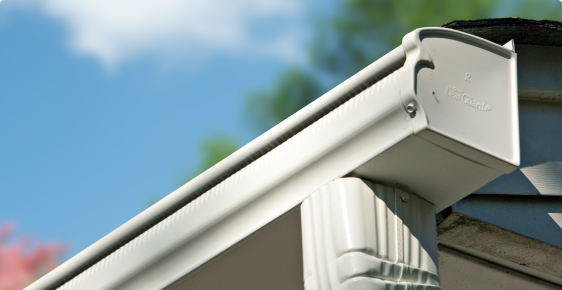
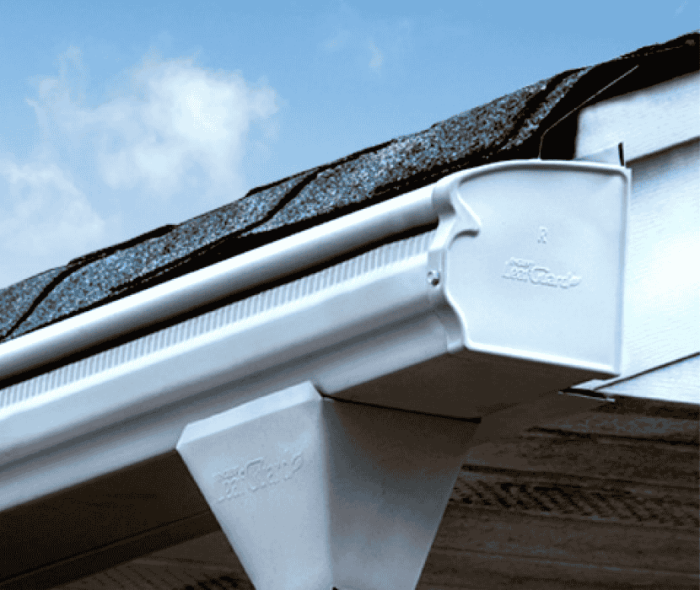
The gutter is important function and its sole purpose is to move water away from your home. A gutter that is clog-free, durable, and has a heavy rain performance is the best upgrade to prevent standing water, cracks, ice blockage, and water damage.
Durable Siding for Extreme Weather
If you live in an environment impacted by extreme weather, traditional wood and old vinyl sidings tend to be easily impacted. Wood can rot and warp and old vinyl cracks or tears off easily in hail and high winds. Upgrading to durable siding, like upgraded vinyl, like fiber-cement, brick, or engineered composites resist winds and provide durability against extreme temperatures and moisture.
Is It Better to Remodel Before or After Storm Damage?
The big question when looking at your home and weather conditions: do you wait to see what damage has been done after a storm and fix that, or do you prepare your home for extreme weather before storm damage? Let’s compare both options for home renovations in anticipation of or because of storms.
Proactive Remodels vs. Reactive Repair
You can run into insurance, cost, and code barriers when remodeling after a storm. Insurance policies for homeowners are typically designed to restore a home to its condition prior to the loss. It won’t cover an upgrade, making it harder to build resilience against future homes. Sometimes, when rebuilding after major damage you can come up against code upgrade laws, where you are required to bring the entire home up to current codes at your expense. Storm damage can also have a domino effect. When one old feature of the home fails, you end up having to replace other features nearby, that have failed as a result.
Generally, it is better to be proactive when thinking about a home that can withstand storm damage both because it is more cost efficient and because you will have better long-term resilience against storms.
Signs Your Home Needs Upgrades
Let’s take a look at some exterior features of a home that are vulnerable to extreme weather, and what warning signs show up for each that let you know it’s time for an upgrade.
| Exterior Component | What to Look For | What does this indicate? |
| Siding | Cracks Warping Rot Mold A lot of peeling paint or fading | Your siding is no longer protecting your home from moisture. |
| Roofing | Patchy shingles Missing shingles Shingles that curl up at the sides Parts of shingles accumulating in gutters | Your roof is no longer protecting your home from moisture, temperature, and strong winds. |
| Gutters | Sagging or bowing Standing water in the gutter or on the ground Debris build up Leaks and holes. | Your gutters are failing and your home is susceptible to water and foundation damage. |
| Doors and Windows | Drafts Condensation between window panes Difficulty opening or closing | Your doors and windows likely have failing seals or rotting frames. |
What to Look for in an All-Weather Home Remodeling Company
When looking for an all-weather home remodeling company, you want to ensure a smooth experience with the best results and a home remodeler you trust. Look for:
- Longevity–years of experience in your area
- Provides proof of proper licensing and insurance
- Has a website and social media channels that showcase their work
- Many positive reviews and testimonials
- Professional demeanor and appearance
- Has a transparent payment schedule
- Easy to understand contract and warranty coverage
- The company has specialized experts who provide the service you need
Meet with candidates, ensure you’ve seen their insurance certification and licensing, and make sure you agree with their payment schedule. Home improvement companies like Great Day have this process streamlined and provide a free estimate when they visit.
Feel confident that your home can withstand whatever weather is thrown your way!
Do you think your home is vulnerable to extreme weather? Get help from the Great Day Improvements team to find improvements through a remodel. Our team can come and give you a no-obligation estimate.
Frequently Asked Questions
How can extreme weather storms damage my home over time?
Extreme weather can cause both sudden damage and gradual deterioration to your home. Heavy storms, hail, wind, and flooding can create immediate problems. Seasonal temperature changes, moisture, and freeze-thaw cycles slowly weaken roofing, siding, windows, doors, and foundations over the years.
What parts of a home are most at risk during severe storms?
The most vulnerable areas are typically the roof, gutters, siding, windows, and doors. High winds can tear off roofing materials and siding, hail can damage gutters and glass, and heavy rainfall can lead to leaks, water damage, and foundation issues if drainage systems are not functioning properly.
What remodeling projects can make my home more storm resistant?
Remodeling upgrades to storm windows and doors, durable siding, and clog free gutter systems can help make your home more resistant to storms. These improvements help protect against wind, water intrusion, hail damage, and energy loss, and increase your home’s long-term durability.
Is it better to upgrade my home before or after storm damage occurs?
In most cases, proactive remodeling is the better option. Preventative upgrades can reduce the risk of costly repairs, minimize disruption after severe weather, and help strengthen your home before damage occurs. Waiting until after a storm may also limit your options if insurance only covers restoration rather than upgrades.
How do I know if my home needs weather-resilience upgrades?
Common warning signs include cracked or warped siding, missing or curling shingles, sagging gutters, standing water near the foundation, condensation between window panes, and doors or windows that are difficult to open or close. These issues can indicate that your home’s exterior defenses are weakening and may benefit from replacement or remodeling.
How do I prepare my home for extreme weather with Great Day Improvements?
It starts with a free consultation where we listen to your needs, assess your space, and provide expert recommendations. From there, we create a custom plan that works for your home, your budget, and your timeline. Give us a call or fill our contact form and we’ll schedule your free, in-home consultation at your convenience.