























 Call Us
Despite tightened budgets and economic concerns, Americans aren’t slowing down when it comes to home renovation—and they’re favoring professional solutions over DIY projects. Here’s what’s driving home renovations in 2027, according to an exclusive survey of over 2,800 homeowners across the United States.
A Note From Our CEO
For the past several years, the home improvement industry has been defined by extremes.
We experienced a pandemic-fueled renovation boom. We watched homeowners race to capitalize on record levels of home equity. We navigated supply chain disruptions, inflation, labor shortages, and rapidly changing consumer expectations. Through it all, one thing remained constant: Americans have continued to invest in their homes.
That truth emerged in full force throughout our second annual State of American Home Renovation report. What has changed? The motivations, priorities and decision-making processes behind today’s remodeling projects. In 2027, homeowners will be more intentional, selective, and focused on getting the most value from every dollar they spend. The data suggests we’re entering a new phase of the renovation market—one defined less by urgency and more by deliberation. Large renovation budgets are becoming less common. Homeowners are spending more time evaluating contractors. They’re prioritizing transparency over bargain pricing and increasingly turning to professional expertise rather than taking on projects themselves.
Perhaps most notably, renovation has become less about chasing home value and more about improving quality of life.
At Great Day Improvements, we believe understanding these shifts is essential for homeowners, contractors, manufacturers, and industry professionals alike. That’s why we’re proud to share the valuable insights within this report—to offer a collective vision for the future of our industry, share new trends that will help you make smarter renovation decisions, and provide an important reassurance: the home renovation market remains resilient.
Here’s to a strong 2027 and beyond!
Drew Weinfurtner – President and CEO, Great Day Improvements
CLICK HERE TO DOWNLOAD THE 2027 HOME RENOVATION REPORT
The State of American Home Renovation at a Glance
The American homeowner remains committed to improving their home—but the era of renovation at any cost appears to be fading.
Key takeaways from this year’s State of American Home Renovation report include:
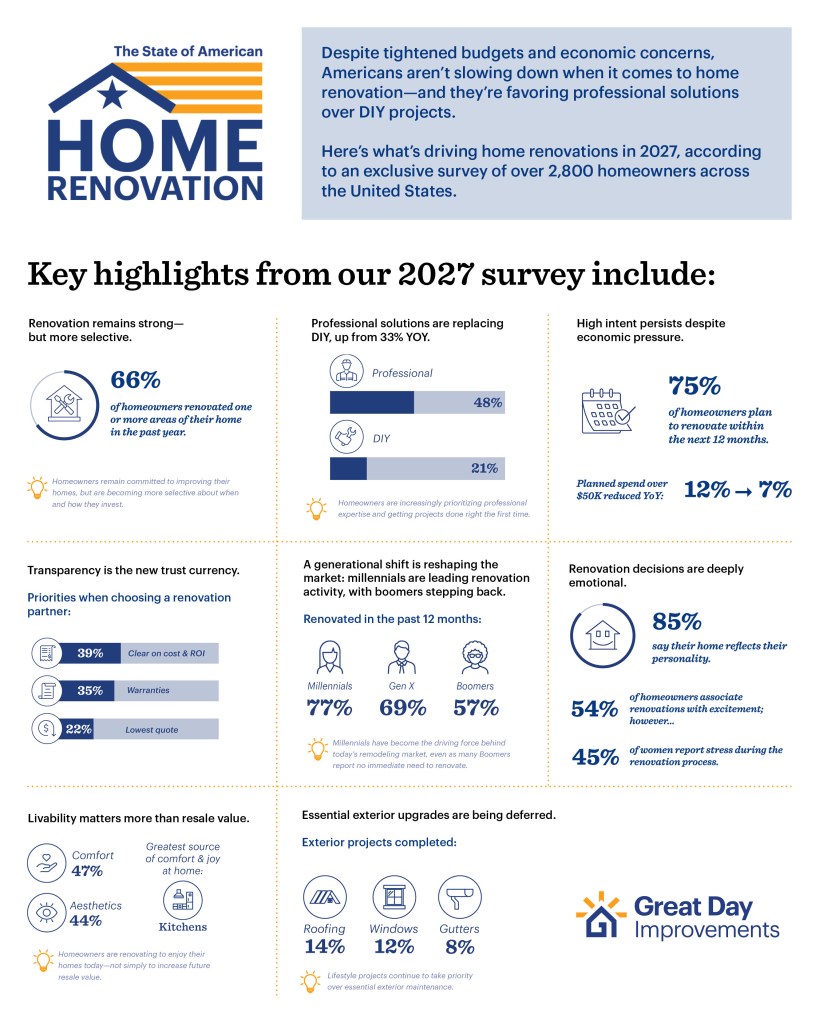
- Home renovation remains strong—but more selective. 66% of homeowners renovated one or more areas in the past year, yet urgency and spending are on the decline—signaling a shift toward more deliberate decision-making.
- High intent persists despite economic pressure. 75% of homeowners say they plan to renovate in the next 12 months. However, the folks who said they plan to spend over $50K dropped from 12% to 7% year-over-year, reflecting tightened budgets.
- The DIY era is giving way to professional solutions. Preference for hiring professionals jumped to 48% (up from 33%). Only 21% of homeowners prefer to DIY, as they prioritize getting projects done right the first time.
- Transparency is the new trust currency. 39% of homeowners rank clear cost understanding as their top consideration when choosing a renovation partner, ahead of warranties (35%) and choosing the lowest quote (22%)—highlighting demand for predictability over price.
- Millennials are driving renovation activity—but with constraints. 77% of Millennial homeowners renovated this year (versus 69% of Gen Xers and 57% of Boomers). However, 51% of Millennials cite high costs and 26% cite competing financial priorities as barriers to doing more.
- A generational shift is reshaping home remodeling. 43% of Boomers didn’t renovate in the past year, and 34% don’t plan to in the next 12 months—with most citing “no pressing need” (61%) as their reasoning. Meanwhile, Millennials have firmly established themselves as the most active generation in the market.
- Motivation is shifting from resale value to improved livability. Top motivations for taking on a new remodeling project were improving comfort (47%) and aesthetics (44%). Kitchens rank highest on homeowners’ list for daily impact (41%) and joy (36%).
- Emotions play a growing role in renovation decisions. 85% say their home reflects their personality and 54% associate renovations with excitement, though 45% of women report stress during the process.
- Deferred maintenance is an emerging risk. Exterior lag behind: only 14% completed a roofing project, 12% took on window upgrades, and 8% tackled their gutters, suggesting essential upgrades are being postponed in favor of lifestyle improvements.
Read on to discover the details of these key takeaways with additional survey data and insights from Great Day Improvement’s leading experts.
Intentionality Will Define the 2027 Home Renovation Market
Homeowners are not abandoning renovation plans under economic pressure. They are approaching them with greater purpose.
In 2027, intentionality will shape when homeowners move forward, which projects earn priority and whom they trust to complete the work. Rather than renovating reactively or taking on several improvements at once, homeowners are weighing immediate needs against long-term value, sequencing projects more carefully and expecting greater confidence in every decision.
Economic uncertainty is not eliminating demand. It is raising the standard for what—and whom—they trust with their investment. At first glance, the market appears remarkably stable. About 66% of homeowners report completing one or more renovation projects in the past year—virtually unchanged from 65% in 2025. Likewise, only one-quarter of homeowners say they have no plans to renovate over the next 12 months.
66% of homeowners have completed at least one renovation project in the past year
Those numbers tell an important story: demand hasn’t disappeared. What’s changing is the decision-making process behind it.
Homeowners are spending more time evaluating projects, prioritizing improvements that provide meaningful day-to-day value, and carefully considering how every renovation dollar will be spent. Rather than rushing into major investments, they’re weighing needs against wants and choosing projects that fit both their lifestyle and their budget.
This shift reflects a market that is maturing rather than slowing. After several years of unpredictable material costs, elevated interest rates, and persistent inflation, homeowners have become more disciplined consumers. They’re still willing to invest in their homes—they simply expect greater confidence before making that investment.
Renovation Demand Remains Strong—But Urgency Is Declining
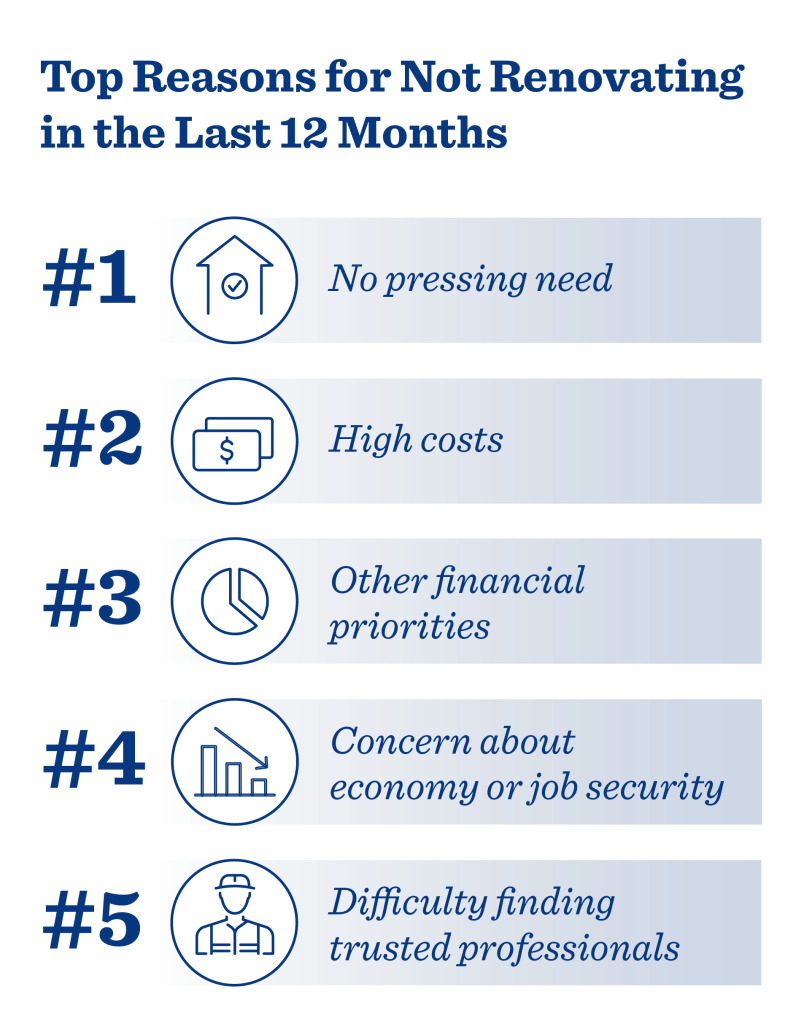
One of the clearest indicators of this changing mindset? The reasoning behind why homeowners choose not to renovate this year.
Among homeowners who skipped a home remodeling project, more than half (54%) said they simply had “no pressing need.” While still significant, “high costs” ranked second at only 40%.
This distinction matters.
If affordability were the overwhelming barrier, it would suggest that homeowners wanted to renovate, but simply couldn’t. Instead, many homeowners seem comfortable waiting until the right project (or the right timing) presents itself. In other words, today’s homeowners are delaying projects by intentional choice, not by necessity.
That trend extends to future renovation plans as well. While nearly three-quarters of homeowners expect to complete a renovation during the next year, they’re becoming increasingly realistic about how much they intend to spend. Folks who said they plan to invest at least $50,000 in an upcoming project fell from 12% last year to just 7% this year.
Instead, the most common renovation budget now falls between $10,000 and $19,999.
For contractors and manufacturers, that means mid-sized projects may become increasingly important. Rather than undertaking whole-home transformations, homeowners are concentrating their budgets on smaller-scale improvements that deliver visible, everyday benefits without requiring six-figure investments.
That doesn’t mean there’s a decline in confidence when it comes to renovation. Instead, it suggests that homeowners are prioritizing “the right time, the right size” —and taking into account what a “pressing need” is for them. They’re making strategic improvements that enhance how they live today while protecting their finances for tomorrow.
“Homeowners still believe their homes are worth investing in, but they’re taking a more measured approach to every decision. That’s actually a sign of a healthier market. Homeowners are choosing certain projects because they improve their lives, not because they feel pressured to renovate.”
Jeff Deatsch, Sales Project Manager, Universal Windows Direct
The DIY Era Is Giving Way to Professional Expertise
One of the most striking shifts in this year’s survey is homeowners’ changing attitude toward who should do the actual work when it comes to renovation.
For years, rising labor costs, endless online tutorials, and the popularity of home improvement TV shows encouraged homeowners to tackle projects themselves. The DIY (“Do-It-Yourself”) trend wasn’t just a practical cost-saving strategy—it was a source of personal accomplishment.
Today, that trend is starting to reverse.
Nearly half of homeowners now say they prefer hiring professionals for most renovation work—up dramatically from 33% in last year’s survey.
48% of homeowners prefer to hire a professional for most renovation work
Meanwhile, only 21% say they prefer doing most of the work themselves.
The shift isn’t simply about convenience. It’s about reducing risk.
Homeowners increasingly recognize that mistakes can be expensive. Material costs are high, projects have become more technically complex, and correcting a failed renovation often costs substantially more than doing it correctly the first time. Professional expertise has become less of a luxury and more of an investment in certainty.
“Today’s homeowner has access to more information than ever before, but they’ve also seen how expensive mistakes can become. They’re realizing that hiring the right installer isn’t just paying for labor—it’s paying for experience, communication, and the confidence that the job will be done correctly the first time.”
Matthew Supple, Director of Sales Operations, Leafguard
That preference becomes even stronger among older and higher-income homeowners, who are increasingly willing to pay for experience and peace of mind rather than take chances on unfamiliar contractors (or themselves).
That changing mindset is also reflected in what homeowners value most when evaluating which renovation companies they can trust. Reputation ranks as the strongest trust signal, with good communication, company longevity, and clear quote pricing all ranking nearly as highly.
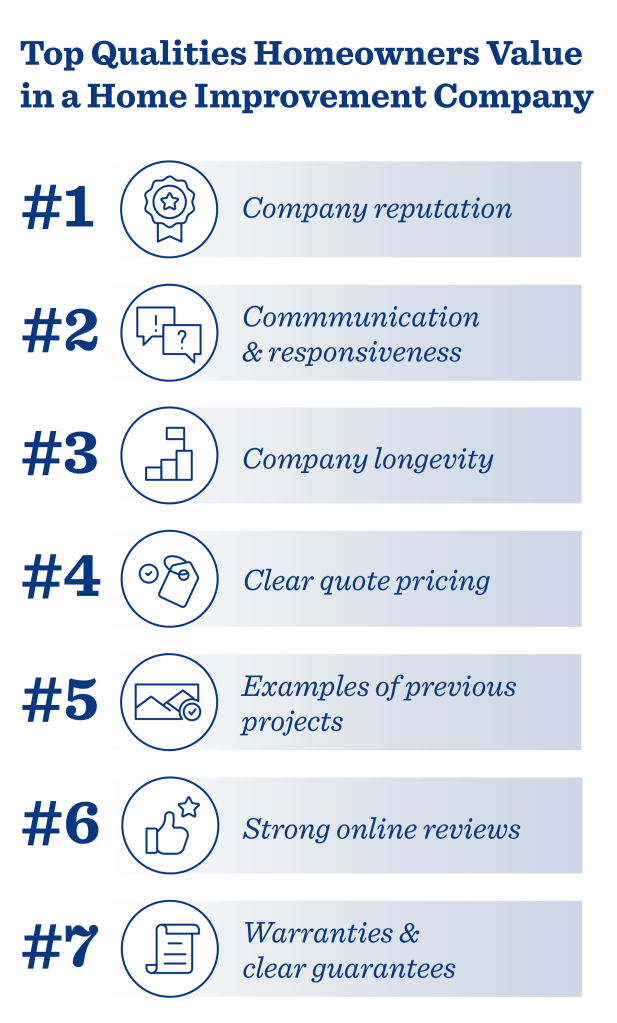
Together, these findings suggest homeowners aren’t simply looking for someone who can complete the work—they’re looking for a partner they can trust throughout the renovation process. Expertise, transparency, and a proven track record have become just as important as craftsmanship itself.

Trust Has Become the Most Valuable Product
Over the past several years, homeowners have come to expect a bit of unpredictability when it comes to renovation costs. Prices have risen and dipped countless times. Material shortages have caused longer-than-usual delays. Stories of contractor scams and unfinished projects have fueled skepticism.
Against that backdrop, trust has become one of the industry’s most valuable differentiators.
When asked what matters most when selecting a renovation partner, homeowners ranked a clear understanding of costs and return on investment (39%) above nearly every other consideration.
Warranty coverage followed closely, while product features ranked third. Notably, choosing the lowest quote ranked far lower.

That’s a remarkable shift. For decades, conventional wisdom suggested that homeowners primarily shopped for the lowest price. Today, homeowners understand that quality renovations require a meaningful investment. What they’re unwilling to accept is a bad business partner.
They want to know what they’re paying for. They want to understand why their contractors are making a certain recommendation. They want confidence that costs won’t spiral unexpectedly midway through the project.
In many ways, the renovation industry has entered what could be described as a transparency economy. The companies that communicate clearly, educate homeowners, and eliminate surprises are increasingly the companies earning consumer trust.
Even more compelling? This trend appears consistently across nearly every income bracket. Homeowners earning less than $75,000 annually rank cost transparency as their top consideration when choosing a contractor. The same holds true for households earning between $125,000 and $174,999, where transparency becomes even more important.
The Renovation Market Is Shifting from Equity-Rich Boomers to Demand-Driven Millennials
Baby Boomers have long been the backbone of the home improvement industry. They bought homes early, accumulated equity over long periods, and spent years investing in their properties. Many of today’s neighborhoods were shaped by this generation’s continued upgrades and maintenance.
But now, a powerful new generation is emerging.
Our 2027 survey points to a transition that will define the future of home renovation. Baby Boomers are gradually stepping back from major projects, while Millennials have firmly established themselves as the most active generation in the market. Between them sits Gen X—a generation balancing competing responsibilities while making calculated investments in their homes.
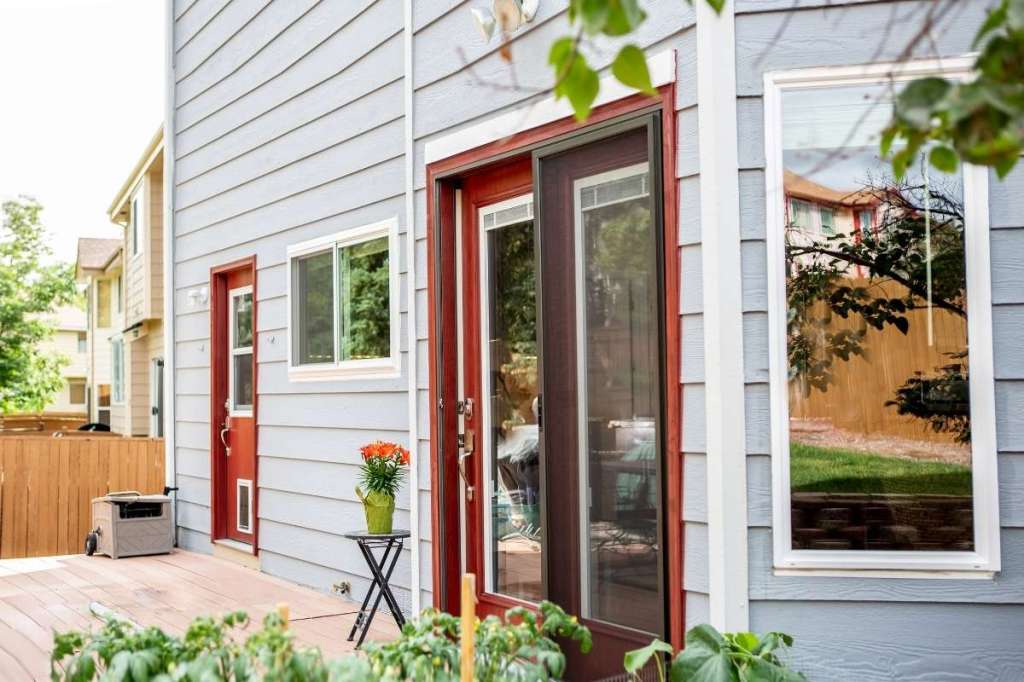
A Generational Shift is Reshaping Home Renovation
Baby Boomers aren’t abandoning their homes. They’re simply reaching a point where they no longer feel the need to reinvent them.
After decades of renovations, remodels, repairs, and upgrades, Boomers have created homes that already meet their needs. Instead of asking what’s next, they’re increasingly focused on enjoying the homes they’ve spent years curating.
43% of Boomers (60+) didn’t renovate in the last year
Almost half of Boomers say they did not complete any renovation projects during the past year—which is significantly higher than both Gen X (31%) and Millennials (23%). And as we look to the year ahead, Boomers also told us they’re comfortable with their home as-is: more than one-third (34%) say they have no plans to undertake a home improvement project during the next 12 months.
Their reasoning? They’re not worried about finances—instead, 61% of Boomers simply said there was no pressing need for a renovation this year.
That finding reinforces one of this year’s defining themes. Older generations aren’t delaying projects because they’re unable to renovate. They’re choosing not to because their homes already provide the comfort and functionality they want.
Their spending reflects the same mindset. Among all generations, Boomers expect to invest the least in upcoming renovations, with most planned projects falling between $1,000 and $4,999.
When they do choose to make home upgrades, Boomers are increasingly gravitating toward projects that preserve what they’ve already built. Landscaping ranks as their highest renovation priority—suggesting that they’re focused on curb-appeal upkeep and maintaining their prior investments versus starting a large-scale interior remodel.
For the renovation industry, this doesn’t represent disappearing demand. Instead, it signals an evolution in the types of services Boomers value. Maintenance, accessibility improvements, aging-in-place solutions, and trusted long-term relationships may become increasingly important as this generation shifts from renovation to preservation.
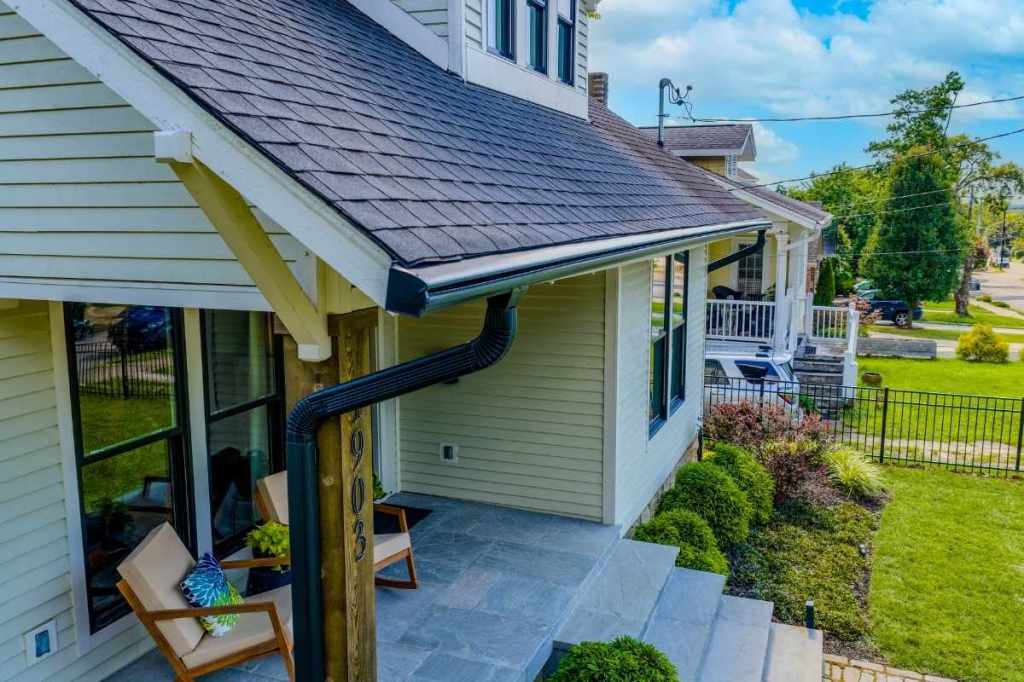
Millennials Have Become the New Engine of Renovation Demand
As Boomers’ renovation priorities evolve, Millennials are increasingly shaping the industry’s next chapter.
Although Millennials entered homeownership later than previous generations, they’ve quickly become the most renovation-active homeowners in America. According to the American Land Title Association, both Baby Boomers and Gen X reached a 50% homeownership rate by age 30. Millennials didn’t reach that milestone until age 34—a reflection of rising home prices, student debt, and broader affordability challenges that delayed homeownership for many younger Americans.
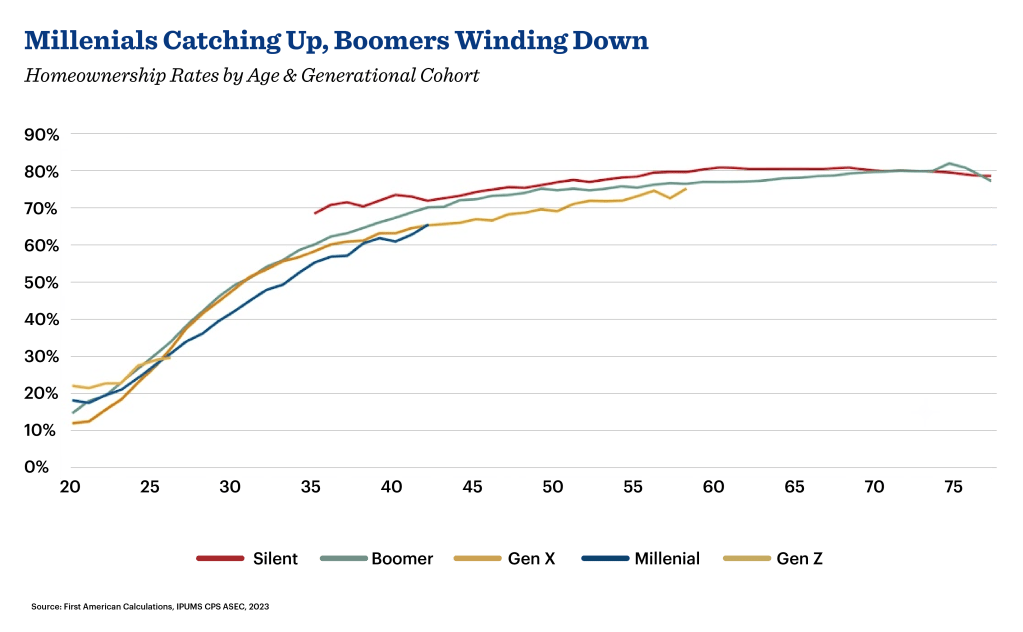
The good news? That delay hasn’t reduced their enthusiasm for improving their homes. If anything, it’s intensified it.
77% of Millennial homeowners said they completed at least one renovation project in the past year, making them the most active renovation generation in this year’s survey.
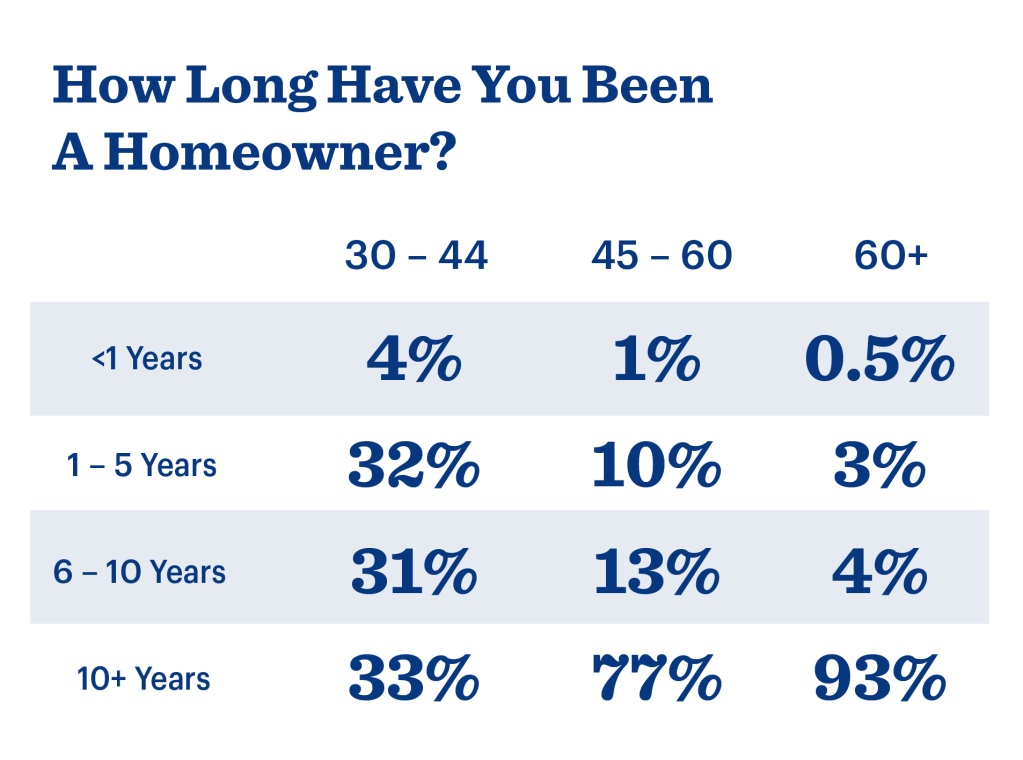
Many are still shaping homes that are relatively new to them. Nearly equal shares report owning their home for one to five years (32%), six to ten years (31%), and more than ten years (33%), illustrating that Millennial homeowners now span nearly every stage of ownership.
Their renovation priorities reflect how active Millennials are in their home investments. They completed more bathroom renovations than any other generation, with 35% tackling bathroom projects during the past year (compared to 26% of Gen X and 18% of Boomers).
Kitchen renovations show an even wider gap. More than one-third (34%) of Millennials renovated their kitchens, compared to just 19% of Gen X and 9% of Boomers.
These aren’t simple maintenance projects. They’re significant investments in creating homes that better reflect how Millennials live today. But despite their enthusiasm about home renovation, Millennials are also bumping up against meaningful obstacles.
More than half (51%) cite high costs as the biggest reason they weren’t able to renovate more. Another 26% point to competing financial priorities, while 17% say they simply don’t have enough time.
In many ways, Millennials are the best example of the tension that exists in today’s housing market. They have the strongest desire to renovate, but often have the least financial flexibility to do everything they’d like. That means they’re more strategic in their approach—prioritizing projects with the greatest day-to-day impact while carefully managing budgets.
They’re also the generation most likely to associate renovation with positive emotions. Compared to both Gen X and Boomers, Millennials more frequently say they’re proud of the home improvement work they’ve completed. The only notable exception is a slightly higher level of confusion—a reminder that many are navigating major renovation decisions for the first time.
Their optimism, combined with their financial constraints, makes Millennials one of the most influential groups shaping the future of home improvement.
“Millennials don’t value homeownership less than other generations. They’re renovating differently because they’ve entered the market under completely different financial conditions. Every project has to justify itself, which is why improvements that make everyday life noticeably better continue to rise to the top.”
John Sivori, VP Consumer Financing, Great Day Improvements
Gen X Is the Industry’s Most Calculated Homeowner
If Millennials are driven by what’s possible and Boomers are content to enjoy their current space, Gen X strikes a unique balance.
Often juggling careers, young adult children, and aging parents, Gen X homeowners face a unique set of competing demands when it comes to their time and money. They’re still highly engaged in home remodeling, but every project requires careful consideration.
Throughout this year’s survey, Gen X consistently lands between Millennials and Boomers, reflecting homeowners who are neither just beginning their renovation journey nor winding it down. Where they stand apart is in their approach to risk.
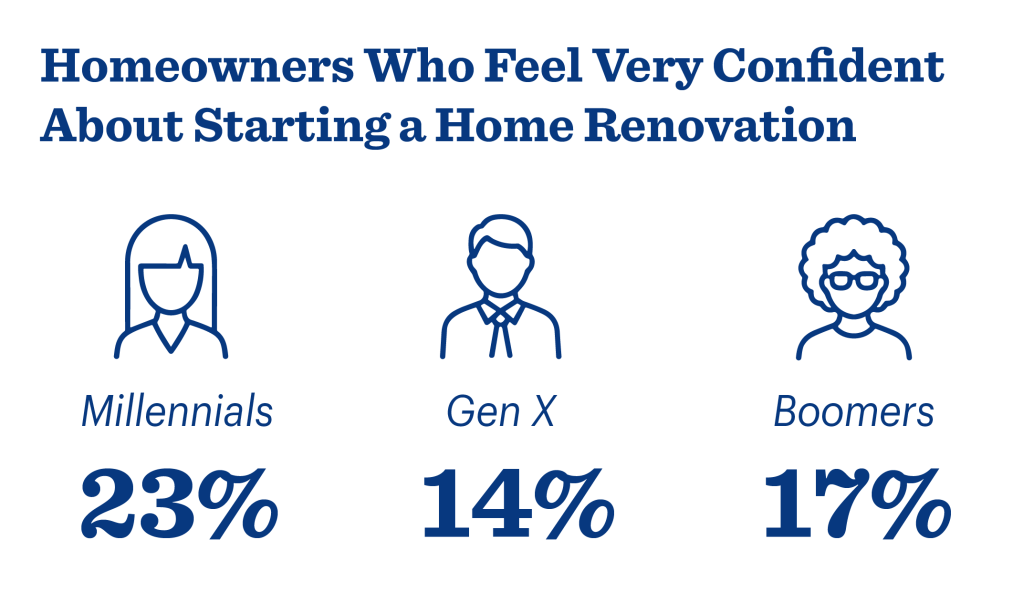
Compared to other generations, Gen Xers are the least confident when starting the home renovations, and are most likely to cite concerns about the economy or job security as a reason for postponing renovations.
They’re also more likely than other generations to say they’re still paying off previous renovation projects, leading them to put off any new upgrades in the next 12 months. And when it comes to increasing home value, Gen X is the most uncertain about whether they’ll make a return on their investment.
So where are Gen Xers choosing to make home upgrades? They’re taking a practical approach.
Compared to other generations, Gen X is slightly more likely to undertake projects that improve energy efficiency, indicating an interest in renovations that provide long-term operational savings in addition to immediate lifestyle benefits. They’re also identifying upgrades that will have the biggest impact on daily life and bring the most joy—like the kitchen.
And when it comes to selecting renovation partners, Gen X’s preferences are a combination of their younger and older counterparts.
Like Millennials, they place significant value on working with companies that have been in business for at least a decade—viewing longevity as evidence of reliability and experience. And like Boomers, they also prioritize company reputation and strong communication, favoring contractors with proven track records over newcomers offering aggressive pricing.
Taken together, Gen X’s actions and preferences make them perhaps the most discerning customer of all of the generations. They’re willing to invest, but only after carefully weighing risk, reputation, and long-term value.
Today, Home Renovation Is About Improving Daily Life—Not Just Property Value
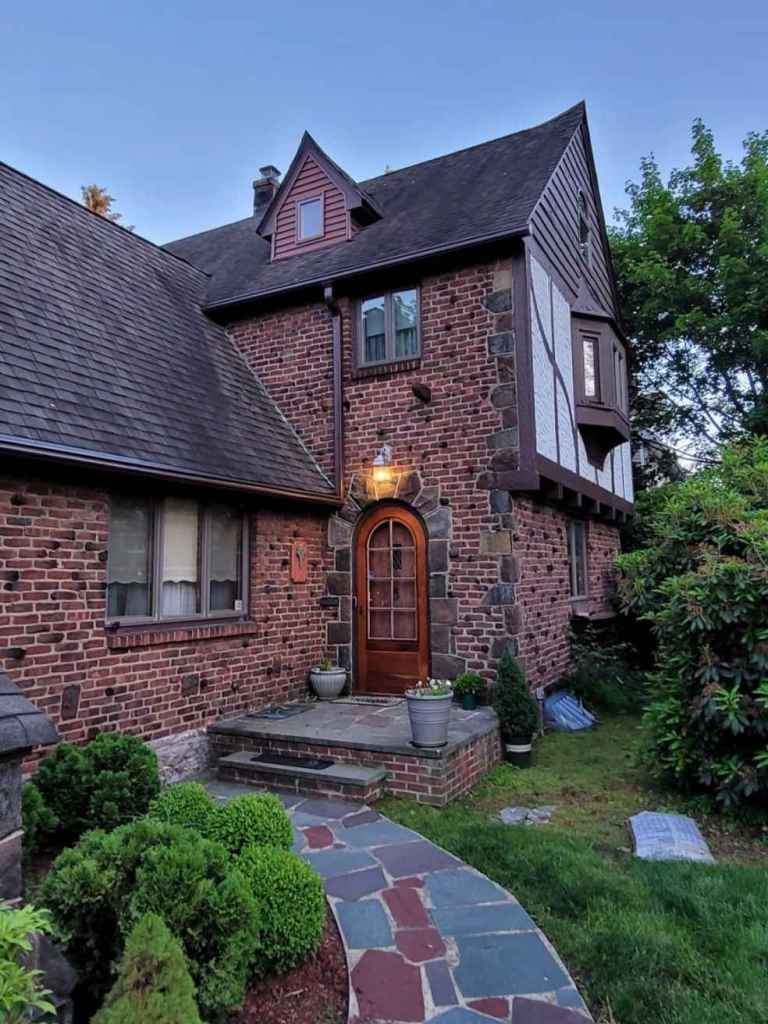
For much of the last several decades, home renovation has been viewed primarily as a financial decision. Homeowners upgraded kitchens to boost resale value. They replaced windows to improve efficiency and lower utility bills. They remodeled bathrooms with one eye on future buyers.
Our 2027 survey suggests that mindset is changing. While homeowners still recognize that maintaining and improving their properties will improve their return on investment, today’s renovation decisions are increasingly driven by something less tangible (but no less important): everyday living.
Homeowners want to feel comfortable in the home they’ve worked so hard to build. They want to take pride in the investment they’ve made. They want modern conveniences without having to move. And they want their environment to uniquely reflect who they are as people. Rather than asking, “Will this increase my home’s value?” homeowners are increasingly asking, “Will this make my life better?”
Americans Are Renovating to Stay—Not Just to Sell
The strongest evidence of this shift appears in homeowners’ motivations for future renovation projects.
Nearly half of homeowners say improving comfort and livability is their primary reason for renovating during the next 12 months. Improving the home’s appearance follows closely behind at 44%. Routine maintenance, while still important, ranks third at 32%.
47% of homeowners say improving comfort and livability is their primary reason for renovating
These findings suggest that today’s homeowners are prioritizing how a home performs now—over how it will sell later.
Why is livability a growing trend in 2027 specifically? Well, long-term homeowners are locked into historically low mortgage rates, and are worried that they won’t have access to the same rates if they were to buy a new property in today’s ballooning housing market. Many folks would lose money or need to downsize if they were to sell now—so rather than moving, they’re choosing to adapt the homes they already own to better fit their evolving lifestyles.
For contractors and remodelers, that represents an important change in customer expectations. The conversation is becoming less about square footage and curb appeal, and more about morning routines, family gatherings, entertaining friends, aging comfortably, and creating spaces that simply make everyday life easier.
The Most Loved Spaces Are the Ones We Use Every Day
When we asked homeowners about the spaces they’d most like to renovate, one room stands above all others: the kitchen.
Unsurprisingly, a majority of homeowners say that a kitchen renovation would make the biggest difference, and 36% say it’s the project that would bring them the most joy.
41% of homeowners say the kitchen would have the greatest impact on their daily life if renovated
It makes sense, right? It’s the room where we cook, eat, gather as a family, do homework after school, feed the dog, and prep for the week ahead. In other words, it’s our headquarters—and it’s likely where we spend the most time. So it’s easy to see why homeowners who are looking to make their everyday lives more comfortable would name the kitchen as their first priority.
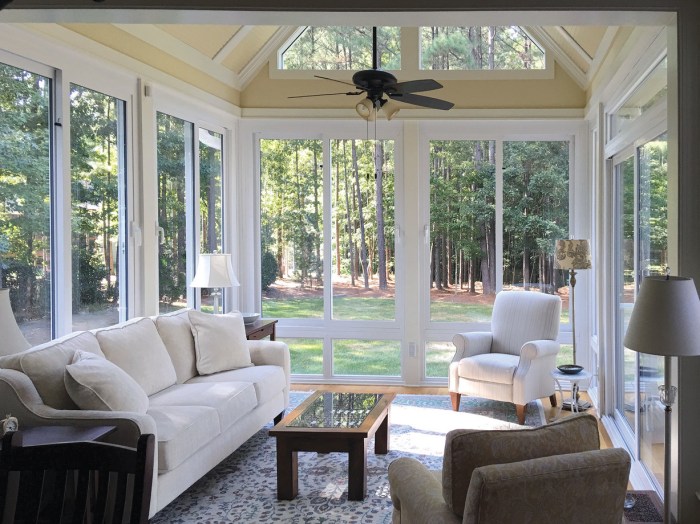
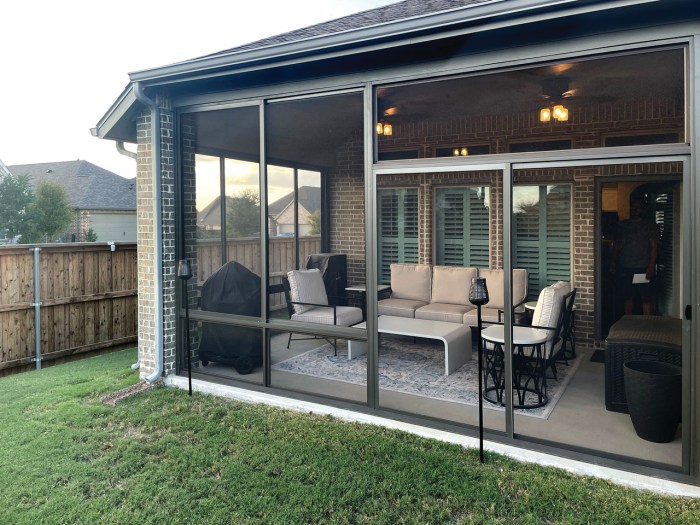
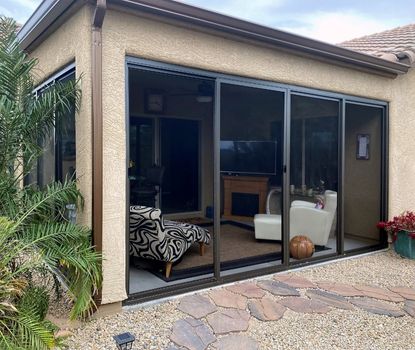
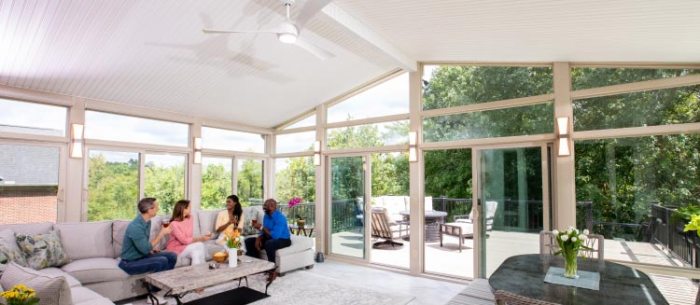
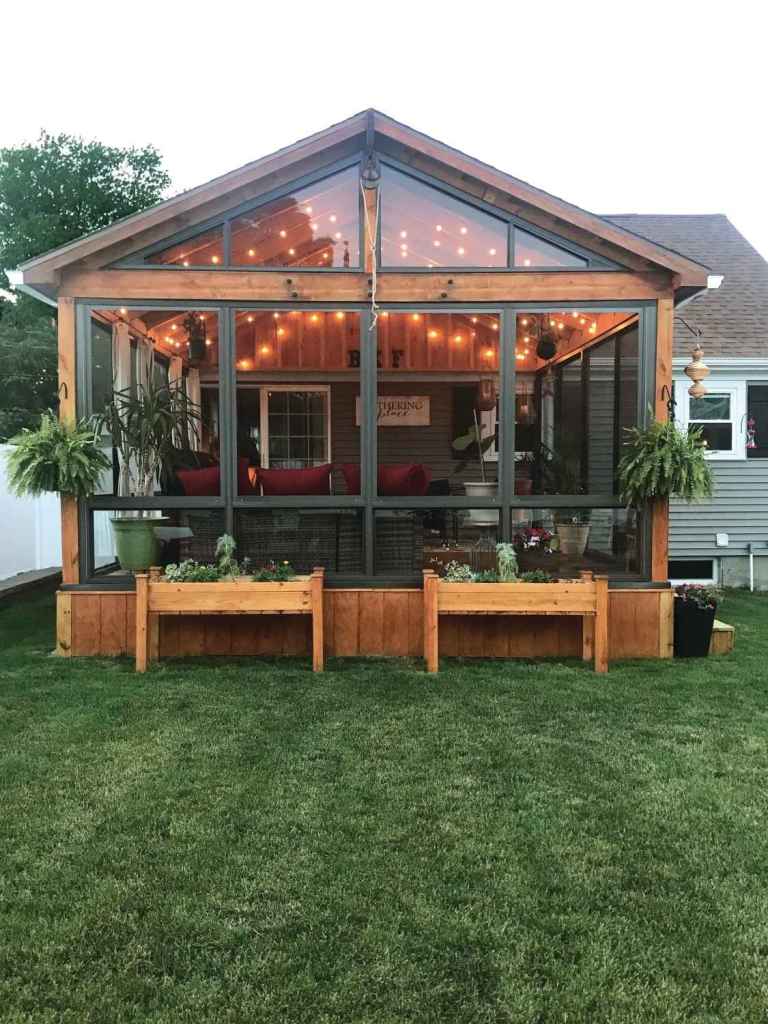
Bathrooms rank a distant second, with 15% identifying them as having the greatest daily impact and 14% saying they would provide the most enjoyment. Porch enclosures and sunrooms rank third for both impact and joy.
Together, the top three choices—kitchens, bathrooms, and porch enclosures or sunrooms—point to a clear priority: homeowners are renovating to live better in the spaces they use most. Whether they’re making everyday routines easier, creating a more comfortable place to unwind, or adding room to gather with family and friends, these projects deliver value that can be felt day after day—not just when it’s time to sell.
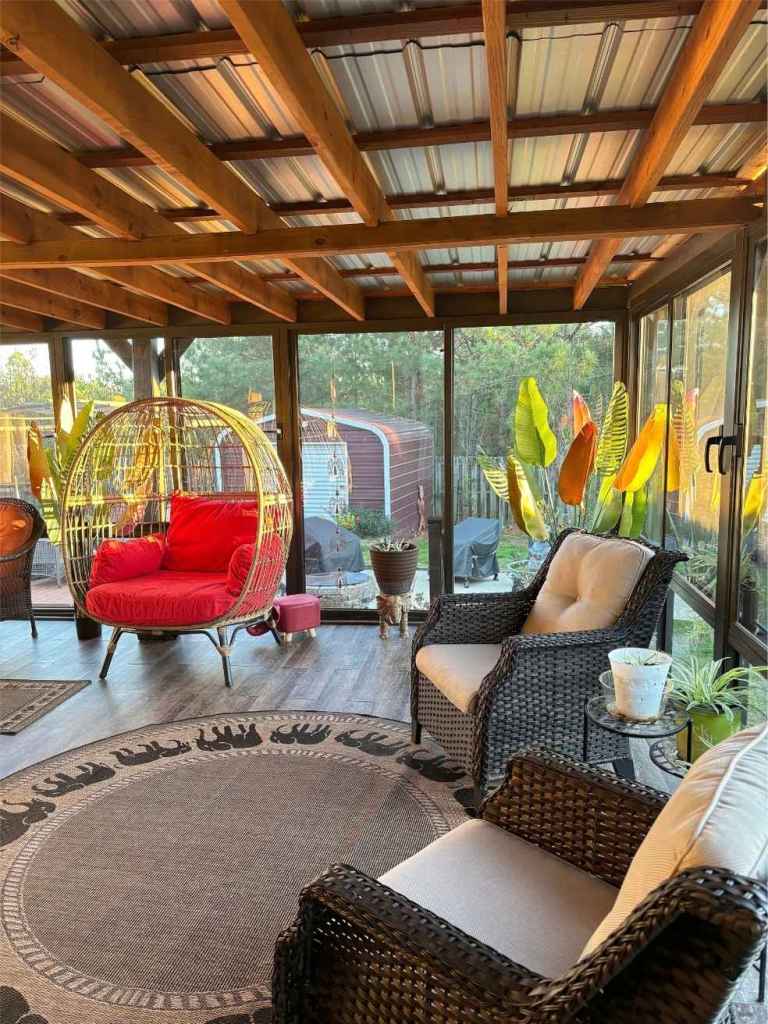
“A sunroom or porch enclosure can change more than the footprint of a home—it can change how homeowners experience it. By turning an underused area into a comfortable, inviting space, homeowners gain a new place for morning coffee, family time, entertaining, or simply enjoying the outdoors in greater comfort. Those everyday moments are what make these spaces feel so valuable.”
Tom Edger, Manager, Patio Enclosures
Renovation Plans Reflect Everyday Priorities
Interestingly, there’s a discrepancy when it comes to the projects homeowners plan to do and the ones they end up actually doing. Bathrooms and kitchens nearly tied for first, with landscaping and flooring coming in next—which matches last year’s survey result almost exactly.
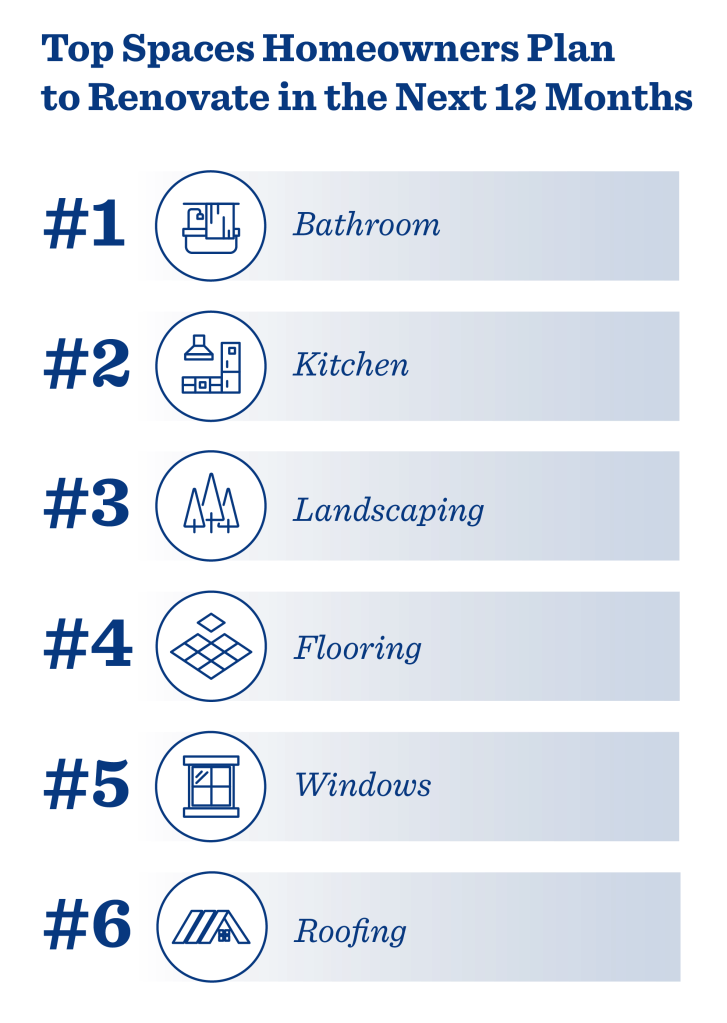
It seems that homeowners are facing a balancing act: deciding between which projects are most enjoyable to them, and how much money they have to spend. A bathroom renovation might not be the most exciting, but it’s a small space—which means it’s likely more cost-effective to remodel than larger rooms like the kitchen, and may get prioritized first.
The data also revealed a familiar generational breakdown: Millennials continue to rule the roost when it comes to large-scale future renovations.
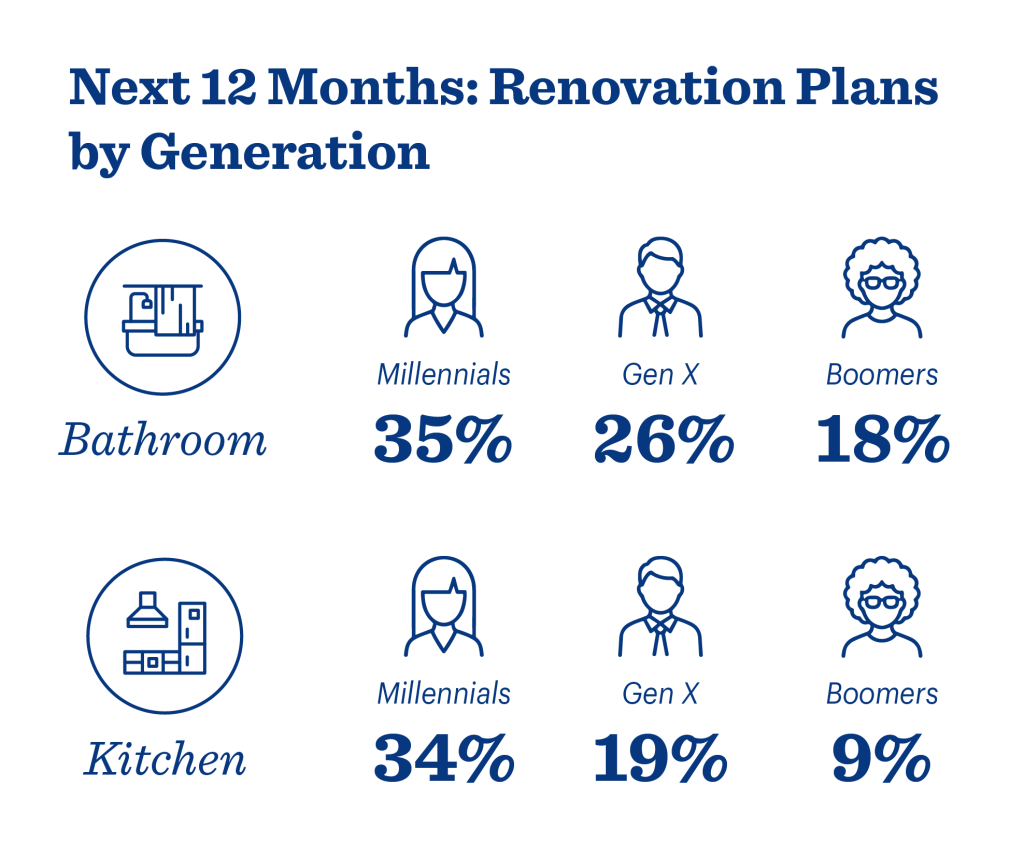
Taken together, these findings suggest homeowners aren’t chasing trends or undertaking dramatic transformations for their own sake. They’re investing where they’ll notice the results every morning, every evening, and every day in between.
Home Remodeling Has Become a Form of Self-Expression
Perhaps one of the most interesting findings in this year’s survey has little to do with construction at all. It has to do with identity.
An overwhelming 85% of homeowners say their home reflects their personality and lifestyle, at least to some extent. That’s a powerful statement about the role our homes now play.
For many Americans, a home is no longer simply a financial asset or a place to sleep. It’s an extension of who they are—a reflection of their tastes, priorities, routines, and aspirations.
That emotional connection is becoming increasingly important. Nearly half of homeowners (47%) now describe homeownership and home improvement as a significant source of pride, a substantial increase from just 27% in last year’s survey.
But this year’s data also reveals the emotional complexity of renovation. While excitement is the most common (54% of homeowners associate renovation projects with anticipation and possibility), enthusiasm isn’t the only feeling involved. For many homeowners, renovations are also demanding experiences—and can take a mental toll.
Women are significantly more likely than men to associate renovations with stress (45%) and anxiety (32%), reflecting the countless decisions, disruptions, and uncertainties that often accompany major home remodeling projects. Men, by comparison, more frequently report feelings of confidence (24%), pride (22%) and satisfaction (33%).
These findings underscore an important reality: every renovation is both a construction project and an emotional journey. The best renovation experiences don’t simply produce beautiful finished spaces. They reduce uncertainty, simplify decision-making, and help homeowners feel confident throughout the process. As homeowners place greater emotional value on upcoming renovations, contractors should remember that the customer experience is now just as important as the finished result.
The Risk of Deferred Maintenance Is Growing
While homeowners continue investing heavily in lifestyle-focused renovations, the data also reveals an emerging challenge. Many essential—but less visible—home improvements appear to be falling further down the priority list.
Roofing is the only major exterior project to rank among the five most common renovations completed during the past year, with just 14% of homeowners reporting a roofing project.
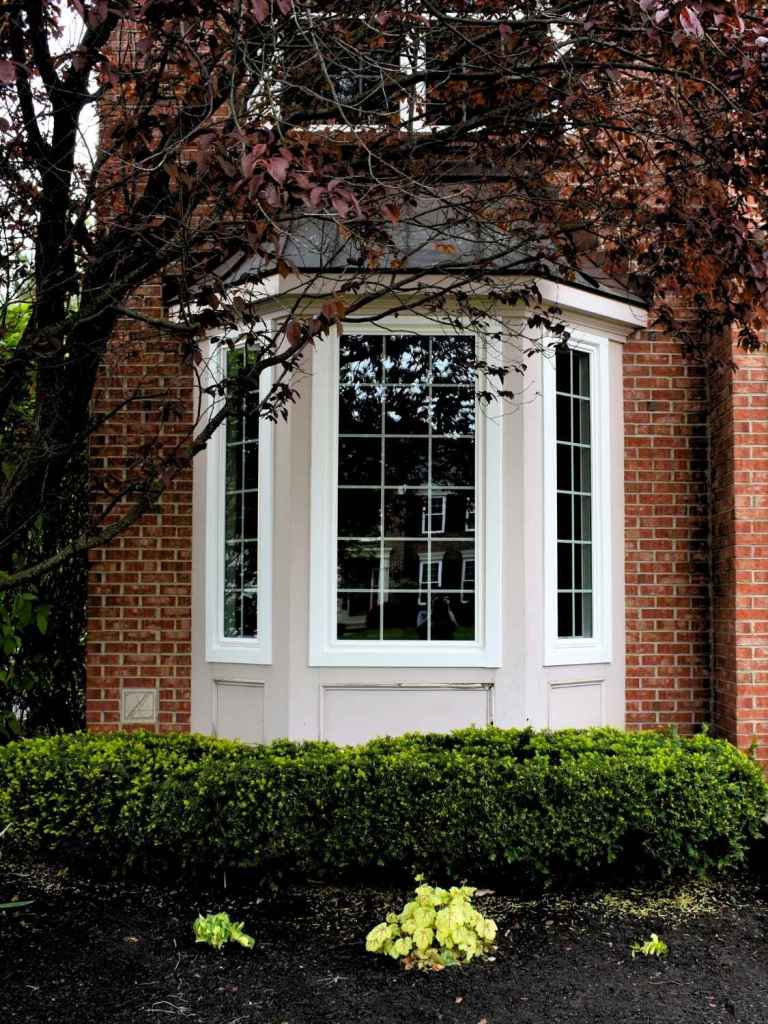
Window replacements follow at 12%. Gutters and Entry Doors each (8%) and siding (6%) trail even further behind.
Future renovation plans tell a similar story. Window replacement is the only exterior project that appears among homeowners’ top planned renovations for the coming year, with only 13% of homeowners saying they plan to start a window project. Meanwhile, roofing (10%), gutters (6%), and siding (6%) fell to the bottom of the list.
Viewed independently, these numbers may not seem surprising. Let’s face it: exterior or structural improvements aren’t exactly “sexy,” and rarely generate the same excitement as a remodeled kitchen or spa-inspired bathroom.
But collectively, they point toward a broader trend. As homeowners increasingly prioritize projects that improve comfort, aesthetics, and daily enjoyment, they’re putting off critical maintenance and prevention projects that might not be handled until it’s an emergency.
“It’s natural for homeowners to get excited about kitchens and bathrooms because they experience those spaces every day. But protecting those investments starts with the parts of the home people don’t always see. Roofs, windows, gutters, and siding may not be glamorous, but they’re what allows every other renovation to stand the test of time.”
William Shannon, Manager, Champion Windows & Home Exteriors
Unlike cosmetic renovations, these projects are often invisible when functioning properly. Gutters don’t command attention in the same way that a renovated kitchen does. New windows rarely receive compliments from guests. A properly functioning roof is easy to overlook.
Yet these systems quietly protect every other investment homeowners make. Ignoring them can eventually lead to far more costly repairs—from water damage and mold to energy loss and structural deterioration.
The challenge for the home improvement industry is helping homeowners recognize that maintenance and lifestyle aren’t competing priorities. They’re complementary ones. A beautiful kitchen is only as valuable as the structure protecting it.
A Look Ahead: Intentionality Is Reshaping the Meaning of Home
If this year’s survey reveals one thing, it’s that Americans continue to believe deeply in the value of home.
Not because they’re appreciating assets. Not because renovation has become easier or less expensive. But because the home has become increasingly central to how people live—and homeowners are becoming more intentional about how they invest in it.
As economic uncertainties persist, homeowners are relying on their nest as a cost-saving and value-expanding measure. Rather than spending gas money on a daily commute, they’re working from home. Instead of going out to eat, they’re inviting friends over for dinner. And in lieu of upgrading to a new home every five to ten years, they’re choosing to grow where they already are—valuing what they have instead of jumping to the next best thing.
That means homeowners are renovating with more thought and intention than they have in years. They’re hiring professionals they trust. They’re demanding transparency. They’re investing in spaces that offer more comfort for themselves and their loved ones. And they’re making decisions with both their finances and their emotions in mind.
For contractors, manufacturers, and the home improvement industry as a whole, that shift represents an opportunity. The companies that succeed in the years ahead won’t simply deliver great products. They’ll provide confidence, communicate openly, and understand that every renovation is about more than replacing windows, remodeling bathrooms, or installing a new roof. They’ll understand that every renovation reflects a deliberate choice about how a family wants to live.
It’s about helping homeowners create places where they can live more comfortably, express themselves fully, and enjoy the moments that matter most. That is the state of American home renovation in 2027—and it offers a promising glimpse into where homeowners and the industry are headed next.

About Great Day Improvements
Great Day Improvements is a home remodeling company that brings together well-known brands like Champion Windows & Home Exteriors, Leafguard, Patio Enclosures, and Universal Windows Direct. We focus on making the remodeling process clear and manageable for homeowners, with experienced local teams who handle each project from start to finish. Our products are made in the U.S., and many come with lifetime warranties and financing options. By overseeing the entire remodeling process, Great Day Improvements provides consistent, reliable service that helps reduce the stress often associated with home improvement projects.
For more information, visit www.greatdayimprovements.com.
For Media Inquiries:
Cheryl Boncek, Akhia
Cheryl.boncek@akhia.com
Survey Demographics
Great Day Improvements worked with a third party research company to better understand and connect with today’s American homeowner. Here are the numbers behind our survey:
- Responses: 2,826
- Margin of Error: 1.88%
- Country: USA
- Regions: All
- Genders: All
- Age: 30-75
- Household Income: $75K – $200K +